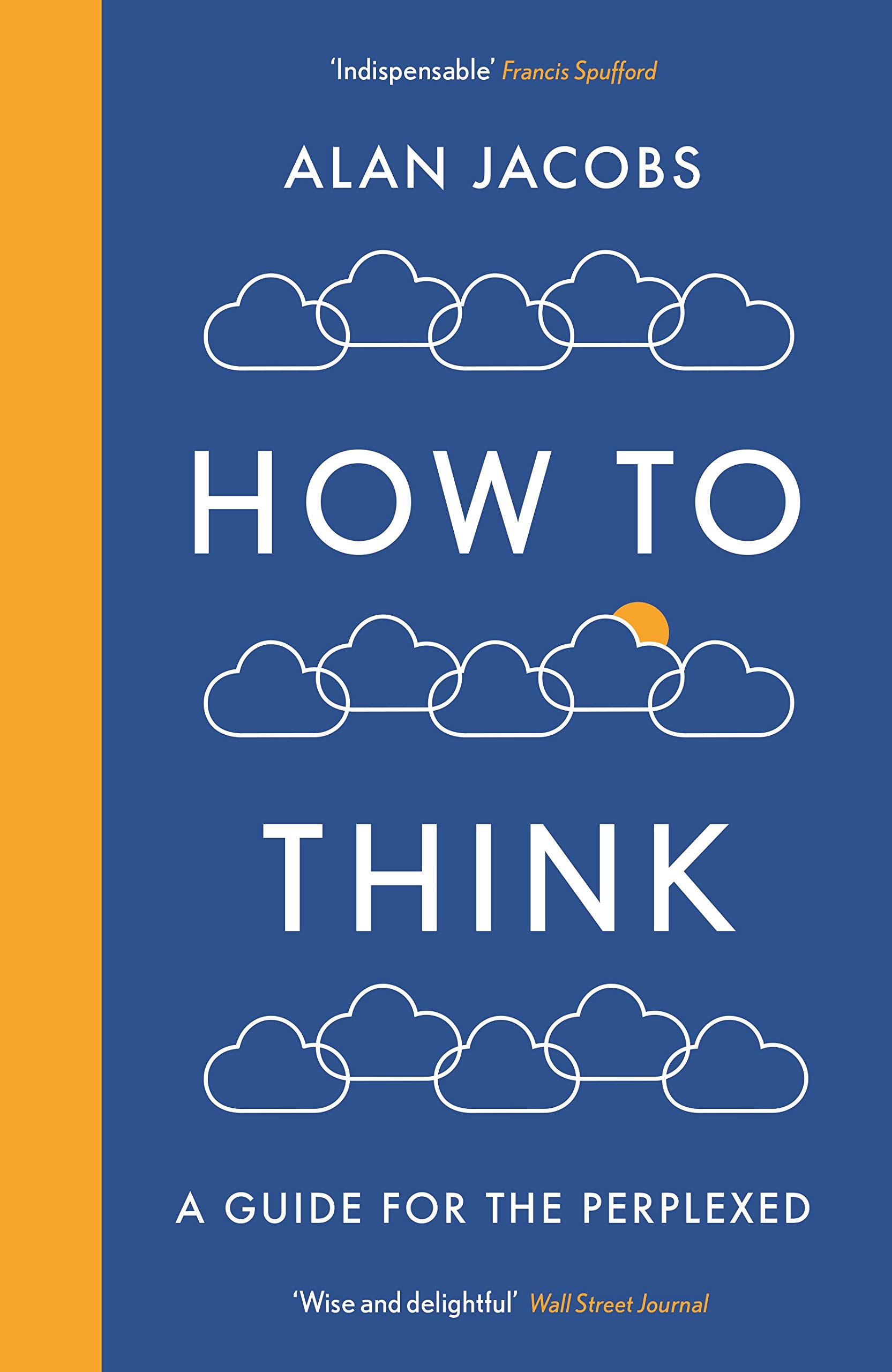
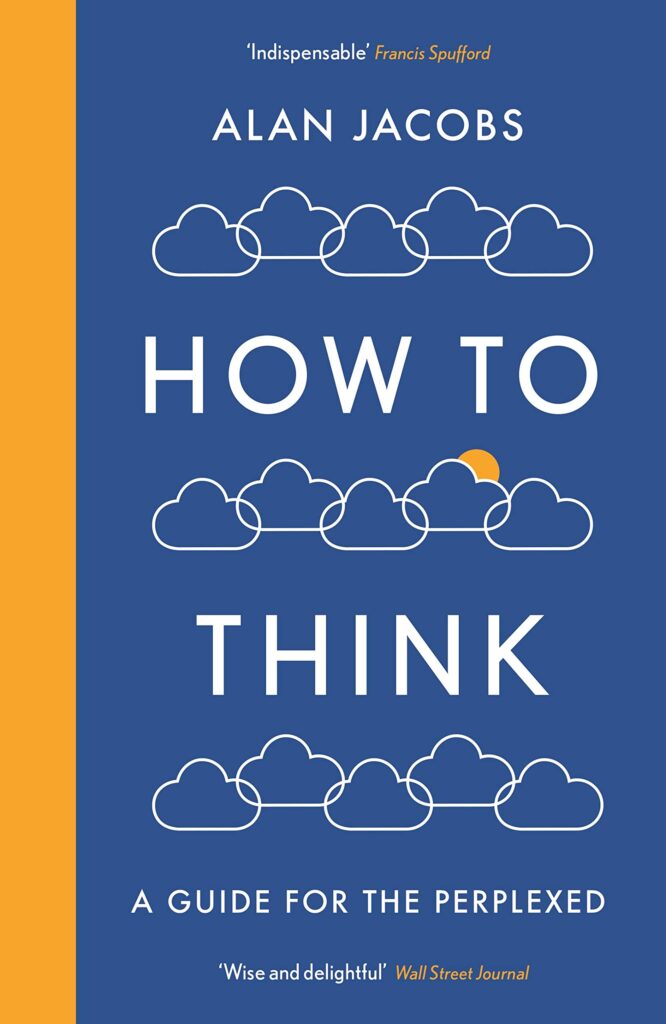
Summary
Chapter 1: Beginning to Think
🌱 The Awakening of the Mind
Imagine Megan, raised in a strict, controversial church, chanting slogans with conviction. Her weapon? Twitter. But one day, she engages—genuinely—with someone who doesn’t insult her, but treats her like a human being. That digital encounter becomes a crack in her mental armor. The world, once black-and-white, now shows shades of gray.
Jacobs tells us that true thinking begins when we’re willing to listen to others—even those we disagree with. Megan didn’t think alone; she started thinking with new people. Thinking isn’t solitary. It’s social. Emotional. Messy. But real.
🔍 Key Ideas:
- Independent thought is a myth—we think in community.
- Rationality needs emotional maturity.
- To think deeply is to risk losing your tribe—but to find your truth.
Chapter 2: Attractions
🌌 The Pull of Belonging
Leah, a devout atheist, walks into Yale and unexpectedly finds herself intrigued—not by arguments, but by people. Catholics. Orthodox thinkers. They challenge her, not rudely, but thoughtfully. In her debate club, minds change mid-argument. “Breaking on the floor,” they call it. It’s not weakness—it’s courage.
Jacobs uses Leah’s journey to show that the right community doesn’t trap your mind—it sets it free. But beware the “Inner Ring”—those exclusive clubs where belonging matters more than truth.
🔍 Key Ideas:
- Community shapes belief more than evidence.
- True communities welcome honest doubt.
- Beware the comfort of groups that discourage questioning.
Chapter 3: Repulsions
🚫 The Enemies We Create
Here’s the twist: the people we hate most often look just like us. Jacobs draws from political tribes and online feuds to reveal a sobering truth—we don’t just fear “the other,” we despise our rivals within.
Take Scott Alexander’s blog: when Bin Laden died, people were silent. When Margaret Thatcher died? They cheered. Same tribe. Same values. Different targets. Our repulsions reveal our blind spots.
🔍 Key Ideas:
- We love to hate our “near enemies.”
- Political animosity is now stronger than racial bias.
- Engage the best version of your opponent’s argument, not the worst.
Chapter 4: The Money of Fools
🗣️ The Dangerous Power of Words
Words. They inspire revolutions—and start wars. Jacobs warns: when we accept buzzwords as truth, we stop thinking. Hashtags like #freedom or #cancelculture can cloud our minds.
He echoes Hobbes: “Words are the money of fools.” They can trap us in echo chambers. Instead, seek clarity over cleverness.
🔍 Key Ideas:
- Language shapes our thoughts—be critical of buzzwords.
- Metaphors can deceive us—“war on ideas” leads to actual hostility.
- Choose words that connect, not divide.
Chapter 5: The Age of Lumping
📦 The Curse of Over-Categorization
Humans love labels—liberal, conservative, feminist, traditionalist. But what happens when we lump people too quickly?
Jacobs shows that while lumping simplifies life, it also erases individuality. “Are you gay or straight?” “Republican or Democrat?” These boxes help us sort, but they also limit how we relate.
🔍 Key Ideas:
- Lumping aids solidarity, but risks erasing uniqueness.
- Splitting allows for nuance and individuality.
- Think twice before defining someone by a group.
Chapter 6: Open and Shut
🧠 Why Being Too Open-Minded Isn’t Always Good
Imagine you’re in a poker game. You’ve already bet too much—but you know you should fold. Do you?
Jacobs explores the myth of “open-mindedness,” arguing that some beliefs should be settled—like justice, dignity, or kindness. A mind too open is like a home with no doors.
🔍 Key Ideas:
- Not all ideas deserve equal consideration.
- Sunk costs keep us stuck in bad thinking.
- Wisdom is balancing firmness with flexibility.
Chapter 7: A Person, Thinking
💬 The Democratic Spirit
David Foster Wallace, a self-confessed grammar nerd (or SNOOT), realized that being smart meant nothing if you couldn’t talk to people respectfully. He admired those who held strong beliefs and welcomed disagreement.
Thinking well means learning to switch codes, speak others’ languages, and remain humble.
🔍 Key Ideas:
- The “Democratic Spirit” means conviction + humility.
- Code-switching helps us connect with diverse groups.
- Thinking well demands respect for opposing views.
Chapter 8: The Pleasures and Dangers of Thinking
🧭 The Risk of Truth
What if thinking costs you friends? It might. But Jacobs insists: truth is worth the cost. Some will leave when you change—but some will come closer.
To think well is to go on an adventure—with no final destination. Thinking is for the brave.
🔍 Key Ideas:
- True thinking may isolate you—but it’s worth it.
- Don’t seek to win arguments. Seek understanding.
- The journey of thought never ends.
Chapter 9: Afterword – The Thinking Person’s Checklist
📝 A Toolkit for Everyday Wisdom
Walter White once made a list to decide if he should live or die. The act of listing clarified everything.
Jacobs leaves us with a 10-point “thinking checklist”—simple habits that make us wiser, humbler, and more human.
🔍 Checklist Highlights:
- Pause before reacting.
- Engage with fair-minded opponents.
- Resist virtue signaling.
- Be brave. Listen more than you speak.
🌟 Final Reflection:
This isn’t just a book—it’s a companion for your intellectual journey. Alan Jacobs shows that thinking isn’t just logic. It’s emotion, community, courage—and above all—a lifelong act of becoming.
If you’re ready to think—not just harder, but better—this book is your map.
About Author