

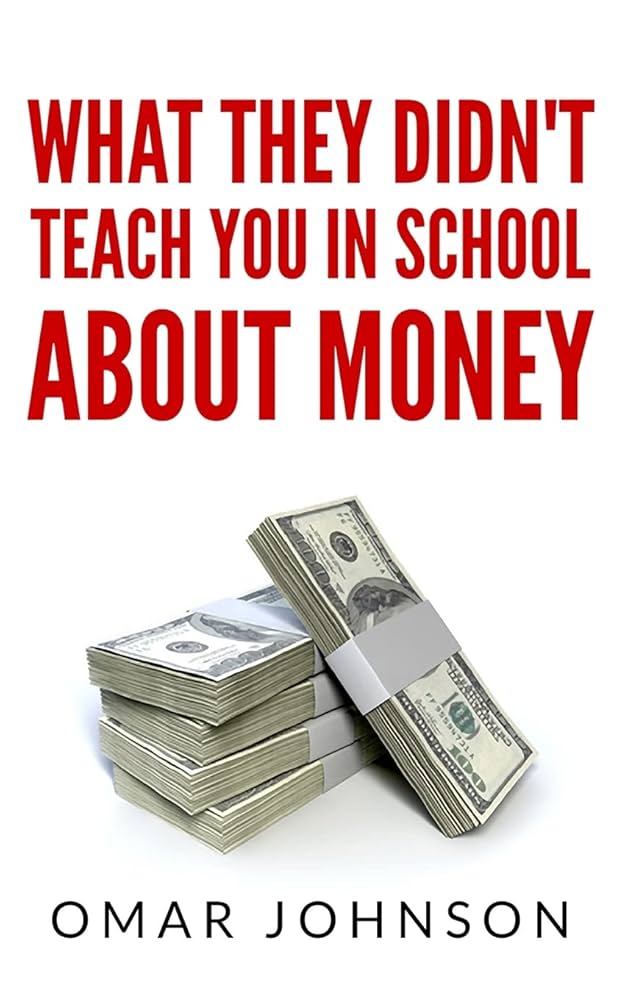
Summary
🔹 Introduction
📖 Mini-Story Recap:
Imagine someone constantly dreaming of wealth—eyeing others who have it and feeling bitter. They think: If I only had more money, everything would change. But despite these thoughts, they never learned how to manage or understand money.
🧠 Key Insight:
Money isn’t inherently evil or powerful—it’s a tool. But if you don’t understand or control it, it will control you.
✅ Instructions:
- Re-evaluate your relationship with money.
- Ask: Is money more important than relationships or values?
- Recognize if you’re spending to impress or for real needs.
🔑 Action Pointers:
- Write down what money means to you.
- Identify 3 purchases you’ve made recently: Need or Want?
- Commit to learning what school didn’t teach you—starting now.
🔹 Chapter 1: What is Money?
📖 Mini-Story Recap:
A person pulls out a $20 bill, proud of their earnings. But Omar reveals—this isn’t value; it’s debt. That note is just a promise backed by trust, not gold or actual worth.
🧠 Key Insight:
Money = Debt. It’s not backed by gold, just government promises. It’s a tool for trade, not a source of real value.
✅ Instructions:
- Understand inflation: More printed money = less value per dollar.
- Question the system—money is manufactured, not earned in the way you think.
🔑 Action Pointers:
- Read the top of any dollar bill: “Federal Reserve Note.” It’s debt.
- Research what fiat currency means.
- Study basic economics and inflation from real-world sources (YouTube, Khan Academy).
🔹 Chapter 2: How is Money ‘Made?’
📖 Mini-Story Recap:
A hard-working employee sees the government printing billions and thinks, Where does it all come from? Omar explains: It’s all borrowed and manipulated via interest and control.
🧠 Key Insight:
Money can be created, valued, and devalued at will by institutions like the Federal Reserve. So stop believing money is static or absolute.
✅ Instructions:
- Learn who controls money: The Federal Reserve, not the government directly.
- Understand that interest rates affect how money flows into the system.
🔑 Action Pointers:
- Study a YouTube video on how the Federal Reserve works.
- Read 1 article about inflation and how it affects you daily.
- Reflect: How much do you trust money if it’s just an idea?
🔹 Chapter 3: Steps to Earning Money
📖 Mini-Story Recap:
A college grad lands a $24K job after months of searching. It feels like success—until rent, debt, and life eat the paycheck. Three years later, they’re stuck, tired, and broke.
🧠 Key Insight:
A job won’t make you wealthy—strategy will. Money doesn’t come from hard work alone. It comes from value, positioning, and smart moves.
✅ Instructions:
- Reassess your career path. Are you growing or stuck?
- Look beyond jobs: invest, side hustle, use your talents.
- Track and grow your value, not just your paycheck.
🔑 Action Pointers:
- Write your current salary. Now ask: What value do I bring?
- Apply for 2 higher-value jobs this month.
- Research 1 investment idea and consider starting small ($100).
🔹 Chapter 4: Learn to Manage Money
📖 Mini-Story Recap:
Imagine earning well but still broke by month-end. You’re not alone—90% of Americans have under $5,000 in savings. Not because they don’t earn—but because they don’t manage.
🧠 Key Insight:
It’s not what you earn. It’s what you keep. Money needs a system, not luck.
✅ Instructions:
- Track income vs expenses.
- Create a budget (even if simple).
- Save systematically, even $50/month.
🔑 Action Pointers:
- Download a free budgeting app (like Mint or EveryDollar).
- Log all spending for 30 days.
- Cut 1 luxury item and redirect funds to savings.
🔹 Chapter 5: Negotiate Everything
📖 Mini-Story Recap:
Someone walks into a store, sees a $1,000 TV, and just buys it. Another person negotiates, shops around, and walks out paying $750. Same TV—different mindset.
🧠 Key Insight:
Everything is negotiable. If you don’t ask, you overpay. Be a value-seeker, not a passive consumer.
✅ Instructions:
- Practice negotiation—especially in local or independent stores.
- Do your research. Always compare prices.
- Be willing to walk away.
🔑 Action Pointers:
- Negotiate 1 thing this week (rent, bills, purchases).
- Practice saying: “Is this the best you can do?”
- Watch a video on smart negotiation tactics.
🔹 Chapter 6: Credit
📖 Mini-Story Recap:
A young adult uses a credit card for everything: gadgets, clothes, fun. The bill piles up until stress hits hard. Credit isn’t free money—it’s a trap if misused.
🧠 Key Insight:
Credit can build or break you. Used wisely, it boosts freedom. Used poorly, it chains you.
✅ Instructions:
- Keep 1 credit card with a limit of $1,000.
- Use it occasionally, pay off in full immediately.
- Never use credit for things you can’t afford in cash.
🔑 Action Pointers:
- Check your credit report (free on AnnualCreditReport.com).
- Set a rule: If I can’t pay in full now, I won’t buy it.
- Cut up extra cards with large limits.
🔹 Chapter 7: The Spending vs. Saving Mindset
📖 Mini-Story Recap:
First job, first paycheck—feels like freedom! So the couch, gadgets, expensive coffee, and parties follow. But weeks later, stress replaces that excitement.
🧠 Key Insight:
Spenders think short-term. Savers think long-term. Want freedom? Become a strategic saver.
✅ Instructions:
- Distinguish wants from needs.
- Practice delaying gratification.
- Set short and long-term saving goals.
🔑 Action Pointers:
- Save at least 20% of each paycheck.
- Journal one impulse purchase you avoided this week.
- Visit a thrift store. Train your brain to seek value.
🔹 Chapter 8: Live Below Your Means
📖 Mini-Story Recap:
A guy earns $2,000/month but spends $2,200. He thinks he’s “managing” until the debts snowball. His freedom? Gone.
🧠 Key Insight:
Living within your means keeps you afloat. Living below your means helps you rise.
✅ Instructions:
- Review all expenses. Slash the unnecessary.
- Don’t try to impress others—impress your future.
- Choose a simple lifestyle that lets you save.
🔑 Action Pointers:
- Downgrade 1 major expense (apartment, car, subscription).
- Save 100% of that difference monthly.
- Remind yourself: This is temporary. Wealth is forever.
🔹 Chapter 9: Save or Invest Half of Every Raise
📖 Mini-Story Recap:
A promotion comes—finally! Instead of upgrading his lifestyle, one wise friend saves half of it. Ten years later, he owns a home. His peers? Still renting.
🧠 Key Insight:
Raises aren’t just rewards—they’re opportunities to accelerate wealth.
✅ Instructions:
- When you get a raise, enjoy half and save/invest half.
- Don’t inflate your lifestyle by default.
🔑 Action Pointers:
- Calculate your raise. Set up an auto-transfer for 50% to savings/investments.
- Use this extra to start that investment you keep delaying.
🔹 Chapter 10: Spend One Hour a Week Educating Yourself
📖 Mini-Story Recap:
After college, most people stop learning. One guy decided to keep studying money for 1 hour every Sunday. A year later, he was debt-free and investing smartly.
🧠 Key Insight:
Consistent learning > random hustle. Knowledge compounds like interest.
✅ Instructions:
- Schedule 1 hour every week to learn about money.
- Read books, watch videos, listen to finance podcasts.
🔑 Action Pointers:
- Pick a day/time (e.g., Sunday 8–9 PM) for your “money hour.”
- Choose 1 financial book or YouTube series and commit.
- Keep a money-learning journal.
🔚 Conclusion
📖 Mini-Story Recap:
Most people drift through life hoping money will work itself out. A few take charge, learn, apply, and build lasting freedom. Which one are you?🧠 Final Mindset Shift:
No one will teach you how to be rich. You must teach yourself. And it starts today.
About Author